
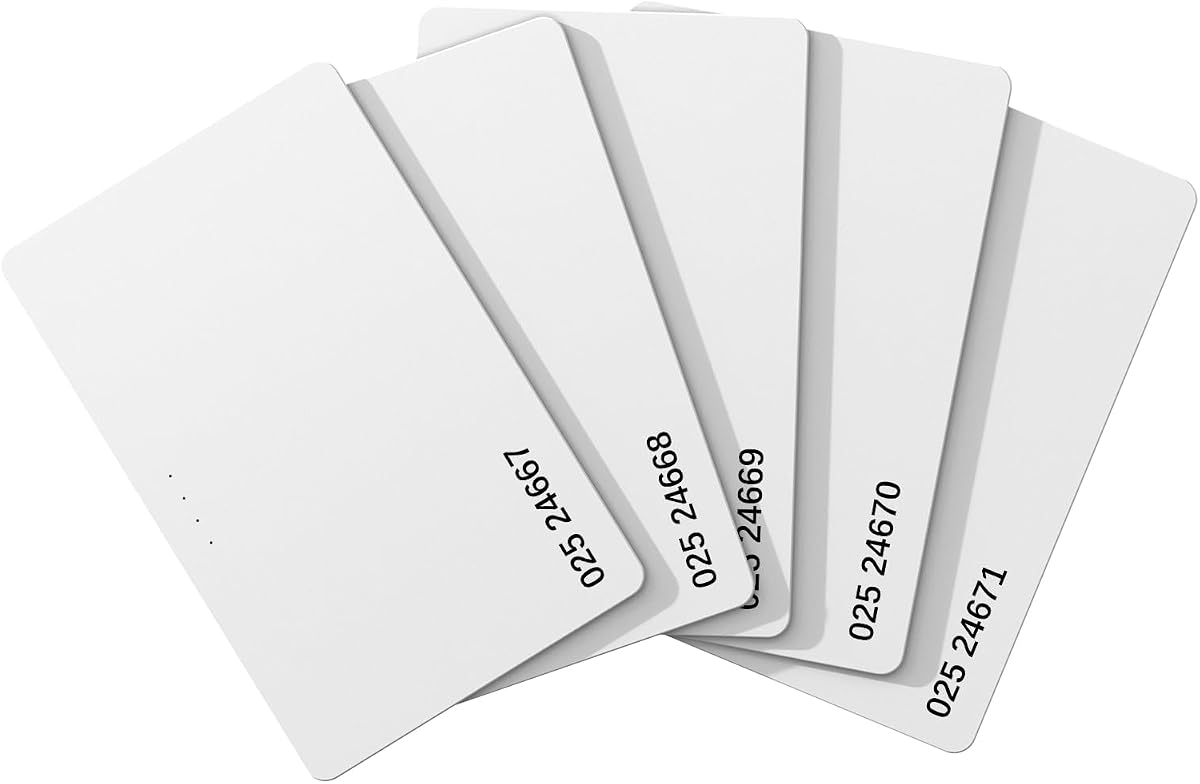
10Pcs T5577 Writable RFID Cards
5.0Editor score
125kHz blank rewritable proximity
Compatible with common readers
Durable white PVC material
This guide compares the top blank rewritable Rfid cards for access control, featuring detailed specs, compatibility notes, and durability insights for 2026.
Blank rewritable RFID cards offer flexible access control solutions for businesses and individuals. They allow you to program unique IDs for doors, attendance, or membership systems without buying fixed cards.
We evaluated ten top-rated models based on chip technology, rewrite cycles, durability, and compatibility. Our comparison covers both 125kHz low-frequency and 13.56MHz high-frequency options to match your specific reader needs.
Each pick highlights key features like memory size, material quality, and use cases. Remember that product availability and pricing may change over time, so verify details before ordering to ensure compatibility with your existing infrastructure.
5.0Editor score

4.6Editor score

4.1Editor score
The following table provides a side-by-side overview of all ten products, highlighting their frequency, chip type, and primary use cases to help you select the right card for your system.


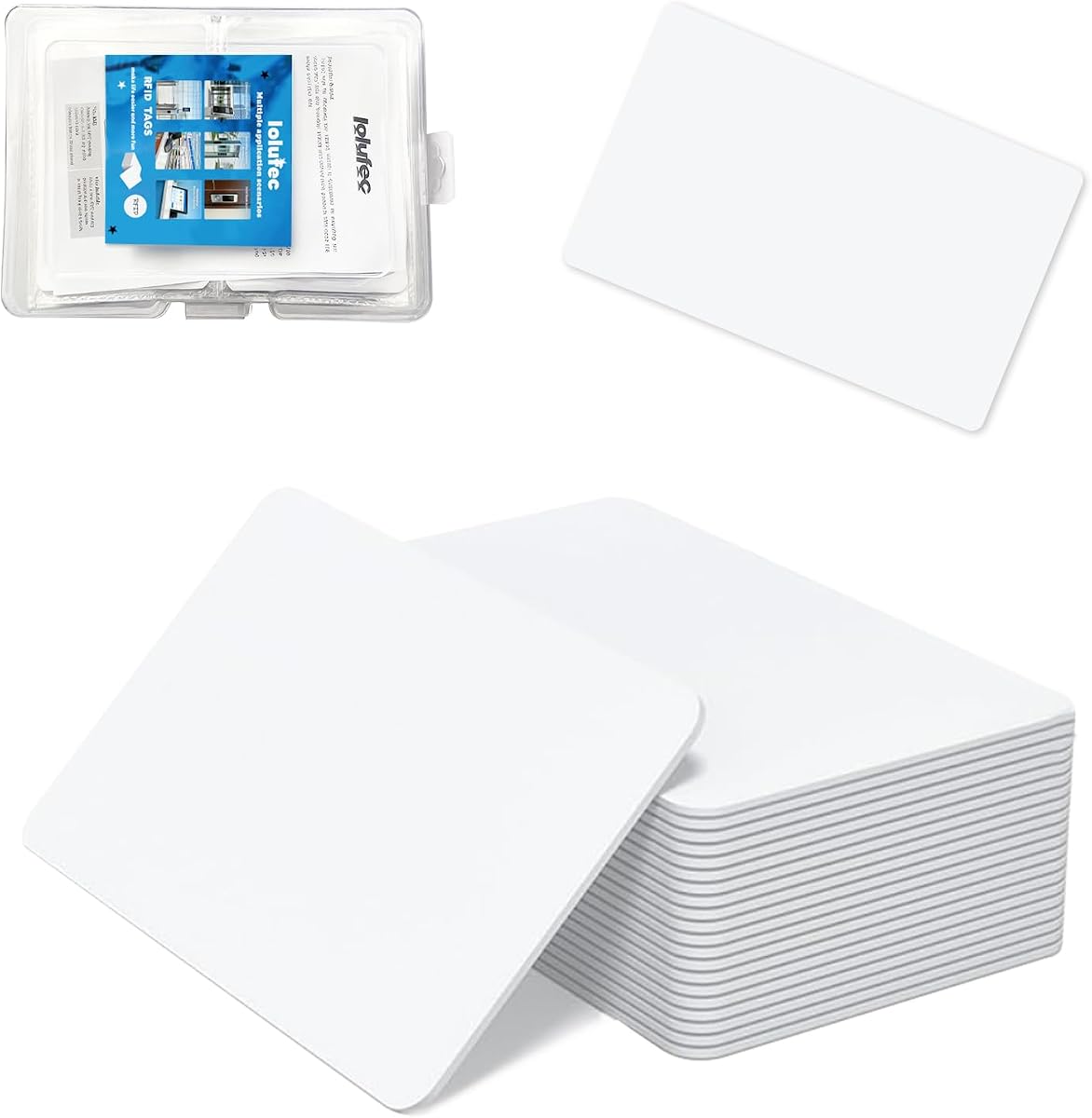


This LEXI pack offers 20 high-quality MIFARE cards ideal for door access. With a 4.2 rating, users appreciate the 13.56MHz compatibility and over 100,000 rewrite capability.
We may earn a commission when you buy through this link, at no additional cost to you.
The cards support read and write functions across all sectors, including Block 0. This makes them versatile for cloning existing credentials or setting up new access points without needing fixed UID cards.
While effective, they require a compatible 13.56MHz writer. Also, ensure your system supports MIFARE Classic 1K before purchasing. The read distance is standard at 0-10cm.
Buyers looking for a reliable entry-level rewritable solution will find this pack sufficient. It balances performance and price well for small businesses or home projects needing multiple cards.
With over 100,000 rewrite cycles, these cards maintain data integrity even with frequent updates. This longevity ensures you don't need to replace cards often, reducing long-term operational costs for high-traffic access points.
The ability to access all sectors allows for complex data structures. You can store multiple pieces of information like user IDs, expiration dates, or permissions in different sectors for robust access control systems.
We may earn a commission when you buy through this link, at no additional cost to you.
These NTAG Ultralight EV1 cards bring advanced NFC features to standard access control. Rated 4.1, they are praised for durability and security mechanisms like OTP and password protection.
We may earn a commission when you buy through this link, at no additional cost to you.
They offer 48 bytes of user memory and last up to 10 years. The matte surface supports thermal sublimation, making them perfect for custom event tickets or branding projects requiring visual identification.
Note that they come factory-locked and need unlocking via tools like NFC Tools. This adds a step but ensures security. They work best with NFC readers, not basic RFID proximity systems.
Ideal for tech-savvy users or event organizers needing secure, branded entry passes. The anti-collision feature supports multiple cards being read simultaneously without signal interference in busy areas.
Features like OTP areas and anti-tamper protection make these cards harder to clone illegally. This adds a layer of trust for commercial applications where data integrity is critical for visitor authorization or paid events.
The uncoated PVC surface accepts thermal printing without peeling. You can add logos or barcodes to each card, combining visual appeal with digital functionality for a professional look at conferences or memberships.
We may earn a commission when you buy through this link, at no additional cost to you.
YARONGTECH cards are robust 125kHz solutions for hotels and access control. With a 4.5 rating, they are known for being blank until programmed, which ensures security and flexibility for different systems.
We may earn a commission when you buy through this link, at no additional cost to you.
The T5577 chip supports various ID formats, making them versatile for duplicating existing keys. They are printable on standard PVC card printers, allowing for custom employee or guest room key designs.
Users must write data before using them, as they are blank by default. This setup requires a dedicated writer/copier. They do not work with high-frequency 13.56MHz readers.
Best for small businesses needing replacement hotel keys. The pack of 20 offers good value. Ensure your reader supports T5577 chip specifications before purchasing to avoid compatibility issues.
Works with professional card printers like Zebra and Fargo. This allows businesses to maintain a uniform look for key cards by printing names or room numbers directly onto the blank PVC surface efficiently.
Starting blank prevents unauthorized data copying before your own data is loaded. This is crucial for guest access cards where you want to ensure only authorized room data is written during check-in.
We may earn a commission when you buy through this link, at no additional cost to you.
This pack supports multiple proximity chip formats including T5577. Rated 4.5, it is favored for duplicating keychains and ID cards due to its 125kHz compatibility and easy writing process.
We may earn a commission when you buy through this link, at no additional cost to you.
The cards are 0.8mm thick, making them lighter than standard ID cards. They feature a lanyard hole for easy carrying in office environments. This reduces weight on badges during daily use.
They must be programmed before reading. This blank state means no pre-loaded data interferes with your system. However, you need a compatible writer to load the ID first.
Ideal for office admins needing quick replacements or duplicates. The lanyard hole adds utility for badge wearers. Ensure your reader accepts 125kHz signals for proper operation with these cards.
Supports both T5577 and T5567 chip types, increasing compatibility chances. This flexibility allows you to use the same cards across different access control brands or older systems.
At 0.8mm thick, these are lighter than standard PVC cards. For employees wearing badges all day, this reduces physical strain and improves comfort on lanyards or clip holders.
We may earn a commission when you buy through this link, at no additional cost to you.
This product holds a perfect 5.0 rating for its reliability in access control. It is made of durable white PVC and designed for 125kHz systems like 1386 and H10301 formats.
We may earn a commission when you buy through this link, at no additional cost to you.
The 1.8mm thickness makes them sturdy for daily wear. They are waterproof, which protects against spills in kitchen or bathroom areas. Ideal for hotel keys that need to survive drops.
Users must program these before use, as they are blank. Ensure your system supports the specific format listed. They do not work well on metal surfaces due to signal interference.
Best for small businesses needing dependable, durable key cards. The perfect score suggests consistent quality in chip manufacturing. Check your lock model to confirm compatibility before buying.
The thicker 1.8mm PVC resists bending and cracking. This durability ensures longer life in high-use environments like gyms or offices where cards are handled frequently throughout the day.
Water resistance protects internal circuitry from moisture. This makes these cards suitable for humid environments like poolside access or industrial settings where humidity might degrade cheaper materials.
We may earn a commission when you buy through this link, at no additional cost to you.
This 100-pack is ideal for large-scale rollouts like campus access or corporate IDs. It shares specs with other T5577 packs but offers massive volume for economies of scale.
We may earn a commission when you buy through this link, at no additional cost to you.
The standard 0.8mm thickness and lanyard hole match typical ID requirements. They support proximity duplication, making them versatile for different access types within the same facility.
Managing 100 cards requires storage space and a bulk writer setup. They are blank before programming. This ensures security across the batch but demands a dedicated workflow to load data.
Best for IT admins managing hundreds of users. The price per card drops significantly with this bulk buy. Verify system compatibility once to avoid errors when processing the entire batch.
Buying in bulk reduces per-unit cost significantly. This is essential for large organizations where purchasing individual packs would be financially inefficient and logistically complex to manage.
Standard thickness ensures they fit in existing badge holders. This consistency avoids the need to redesign badge sleeves or lanyards when rolling out new cards to employees.
We may earn a commission when you buy through this link, at no additional cost to you.
JASAG offers 100 premium rewritable cards compatible with MIFARE systems. Rated 4.6, these cards support over 100,000 writes, making them suitable for high-traffic access points like schools or offices.
We may earn a commission when you buy through this link, at no additional cost to you.
They are 13.56MHz cards with 4-byte UID. Each card has a unique encrypted ID that can be reprogrammed. This flexibility is great for dynamic access control where permissions change often.
They do not work with 125kHz readers. Ensure your infrastructure supports 13.56MHz before purchasing. They work well with door access control systems and standard MIFARE readers.
Best for organizations needing hundreds of durable MIFARE cards. The bulk option ensures uniformity across staff cards. Verify lock compatibility before rolling out to avoid hardware mismatches.
With 100,000+ rewrites, these cards last years of daily use. This longevity reduces replacement frequency and administrative overhead for facilities management teams handling staff credential updates.
Each card features a unique encrypted ID number. This prevents unauthorized cloning by ensuring that only cards with valid cryptographic signatures are accepted by secure door control systems.
We may earn a commission when you buy through this link, at no additional cost to you.
These cards come with a factory-locked UID for high security. Rated 4.7, they are preferred for commercial systems where card uniqueness is critical to prevent unauthorized cloning or duplication.
We may earn a commission when you buy through this link, at no additional cost to you.
Block 0 is hardware-locked and cannot be altered. This ensures the card ID remains permanent. They support up to 100,000 read-write cycles on data sectors for flexible user data.
Note they are not for cloning existing cards with different UIDs. They are printable for customization. Use these for strict access control where each card's identity must be fixed.
Best for enterprises needing guaranteed unique IDs. The high rating reflects reliability. Ensure your system does not require rewritable UIDs before buying.
The factory-locked UID prevents unauthorized cloning attempts. This ensures that every card has a unique identifier that cannot be altered by end users, maintaining strict security protocols in enterprise environments.
Supporting 100,000 read cycles ensures longevity even in busy entrances. This durability reduces the need for frequent replacements and maintains consistent performance over years of daily use.
We may earn a commission when you buy through this link, at no additional cost to you.
This small pack is ideal for testing RFID systems. It contains 5 blank T5577 cards suitable for asset tracking and personal ID projects without large financial risk.
We may earn a commission when you buy through this link, at no additional cost to you.
Designed for users who need to verify reader functionality. The cards are blank, meaning you must write data before use. This is common for DIY and small office setups.
Ensure you have legal authorization to program these. The product warns against duplicating third-party credentials. They work well with common 125kHz writers for personal projects.
Best for hobbyists or small businesses testing compatibility. The small quantity keeps costs low for initial trials before committing to bulk purchases for full deployment.
A small 5-pack allows for initial system testing without large investment. This reduces risk when integrating new readers or upgrading existing access control setups in a controlled manner.
Designed for personal use and authorized systems. This makes them ideal for DIY projects where you need simple, rewritable cards for basic access or identification tasks.
We may earn a commission when you buy through this link, at no additional cost to you.
These cards are 1.8mm thick for extra durability. Rated 4.7, they are built for high-wear environments where standard cards might crack or bend easily in daily use.
We may earn a commission when you buy through this link, at no additional cost to you.
They support Weigand prox formats and work with common access readers. The clamshell design protects the internal chip better than standard flat cards. Ideal for heavy industrial use.
Due to thickness, they may not fit in thin badge holders. Ensure your badge sleeves accommodate the extra bulk. They require writing before use like other blank cards.
Best for harsh environments requiring robust cards. The high rating confirms durability. Verify badge holder size before buying to ensure comfortable wear for staff.
The clamshell design shields the internal antenna from damage. This structural advantage ensures the card remains functional even after drops or rough handling in industrial environments.
At 1.8mm thick, these are significantly more robust than standard 0.8mm PVC cards. This thickness resists bending and cracking, extending the lifespan in high-traffic access points.
We may earn a commission when you buy through this link, at no additional cost to you.
Choosing the right rewritable cards requires matching frequency, chip, and durability to your system.
RFID cards operate primarily at 125kHz or 13.56MHz. Your card must match your reader's frequency exactly. A 125kHz card will not work on a 13.56MHz reader, so always check your hardware specs.
Verify frequency before purchase to ensure functionality. Mismatched frequencies render cards useless for access control.
Chip types like T5577, MIFARE Classic 1K, and NTAG dictate memory and write capabilities. T5577 is great for basic cloning, while MIFARE supports complex data sectors.
Select a chip that supports your data needs. MIFARE offers better security than basic T5577 chips.
Memory size affects what data you can store. MIFARE 1K has 1KB split into 16 sectors. This allows for user profiles, permissions, or transaction data on single cards.
Higher memory allows flexible card use. Consider future expansion needs when picking card size.
Cards have limited write endurance, often around 100,000 cycles. High traffic systems need cards that support frequent rewriting without failing.
Look for high rewrite counts to ensure longevity. Cheap cards might fail after few rewrites.
PVC is standard, but thickness varies. Standard cards are 0.8mm. Thick cards like 1.8mm are more durable but might not fit thin sleeves.
Choose thickness based on environment. Industrial settings need thicker cards to resist wear.
Some cards support thermal sublimation printing. This lets you add logos or text without damaging RFID chips. Ensure the surface is compatible with your printer type.
Printable surfaces help customization. Verify printer compatibility for branding needs.
Advanced cards have anti-cloning features like locked UIDs. This prevents unauthorized duplication. For high security, look for cards with encryption or lockable sectors.
Security features protect your access system. Prioritize locked UIDs for restricted access.
Cards come in packs from 5 to 100. Bulk packs offer better cost per unit. Small packs are good for testing or limited needs.
Pick pack size based on user count. Buy bulk for large rollouts to save costs.
Start by checking your reader's frequency and protocol. Ensure the card matches exactly before attempting to use it. Mismatched specs will result in read failures.
Use a compatible RFID writer to program the card. Place the blank card on the writer pad and input your desired ID data. Wait for the confirmation signal before removing the card.
Store cards away from heat and moisture. While PVC is durable, extreme conditions can warp them. Keep them in a protective sleeve to prevent scratches and data corruption.
Yes, blank cards are safe when used for authorized systems. They require a writer to load data, ensuring you control access. Avoid using them to duplicate credentials you do not own.
Most cards support over 100,000 write cycles. With normal use, they can last several years. Physical durability depends on material quality and storage conditions.
Yes, blank cards are designed for custom data. You need an RFID writer to imprint your ID. This feature allows flexibility for custom projects or specific access needs.
High-frequency NFC cards work with Android phones for data reading. Most iPhones only read UID without editing. Low-frequency cards rarely work with standard smartphones.
Check frequency compatibility first. If the card is blank, program it before use. Ensure the reader is functioning correctly with a known working card.
Keep cards in a dry, cool place away from magnets. Use protective sleeves to prevent bending. Proper storage extends lifespan and ensures consistent performance when needed.
Choosing the right blank rewritable RFID card depends on matching frequency, chip type, and durability to your system needs. Whether you need MIFARE Classic 1K or T5577, select a product with the right specs.
Prioritize high rewrite cycles for high-traffic systems and consider thickness for durability. Ensure the card supports your reader's protocol to avoid compatibility issues in your access control setup.
Remember to check current availability and verify your lock model before buying. Prices and inventory change over time, so confirm details directly with the seller to ensure a successful purchase.