
3D Printer Platform PEO PET Bambu Lab Build Plate
4.5Editor score
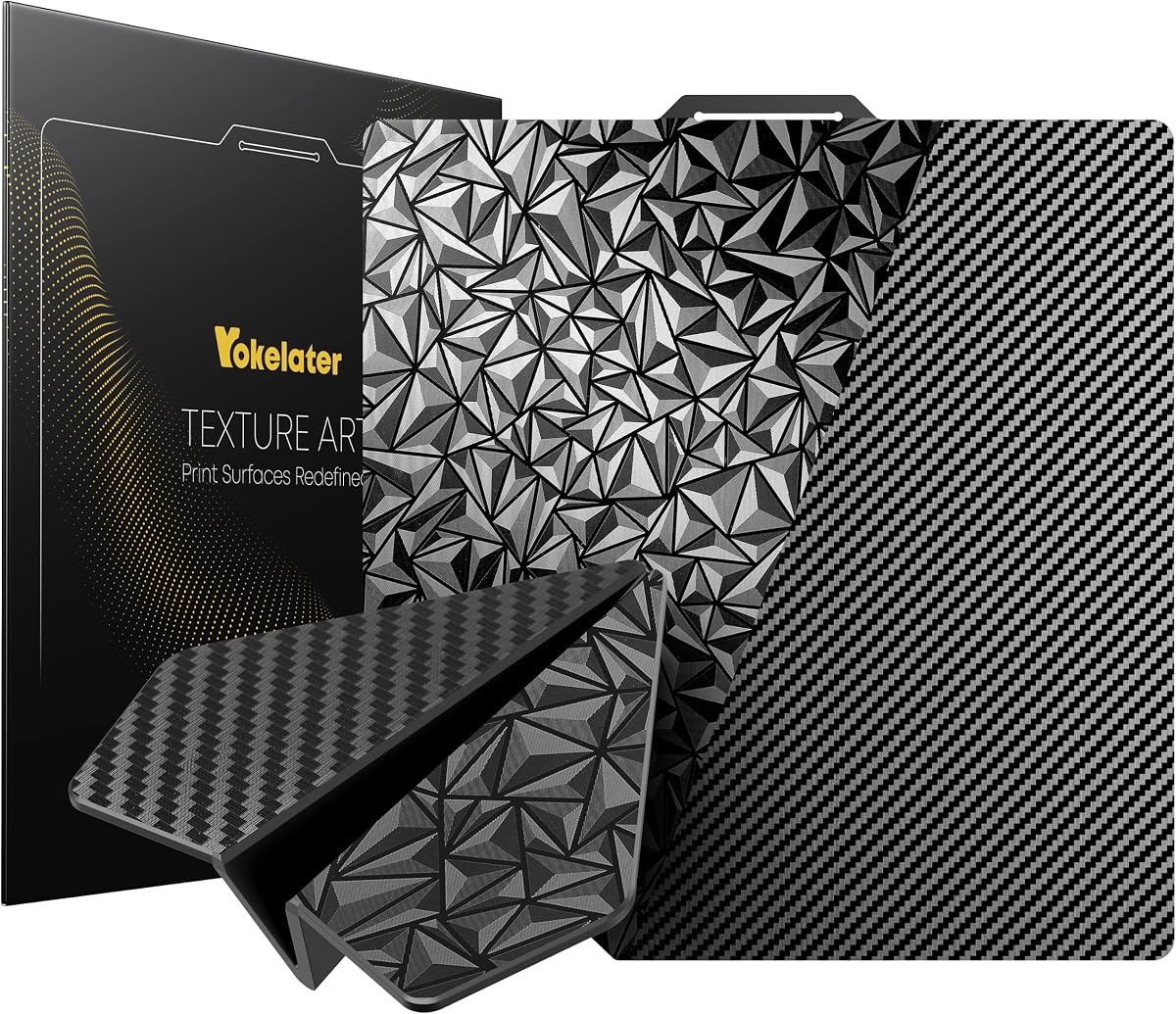
Dual texture diamond carbon fiber
High strength spring steel base
Easy model removal with bending
Discover the top 10 build plates for 3D printers compared by expert criteria including adhesion, durability, and compatibility for all major printer models
Selecting the right build plate for your 3D printer is crucial for achieving high-quality prints and ensuring consistent adhesion across various filament types. A reliable build surface prevents warping, simplifies removal, and protects your printer bed from scratches or damage during regular use.
We evaluated ten leading options based on user ratings, material quality, compatibility with popular printers like Bambu Lab and Creality, and specialized features such as magnetic attachment or textured surfaces. Each product was reviewed to highlight strengths and potential limitations for different printing needs.
This guide presents detailed insights into every model, offering clear comparisons and practical advice to help you choose the most suitable build plate for your setup. Please note that availability and pricing may fluctuate over time, so checking current listings before purchase is always recommended.
4.5Editor score

4.4Editor score

4.7Editor score
This comparison table provides a concise overview of each build plate model, highlighting key specifications and compatibility to help you quickly identify the best fit for your 3D printer setup and printing requirements.




This BIQU CryoGrip Pro Glacier build plate stands out as an exceptional upgrade for Bambu Lab printer owners seeking reliable adhesion and convenience. It holds a strong rating for its ability to secure prints firmly without the need for additional adhesives, making it a top choice among users.
We may earn a commission when you buy through this link, at no additional cost to you.
The build plate features a sophisticated seven layer cobalt oxide coating that provides excellent resistance to impact and corrosion while ensuring a smooth finish on the bottom of printed parts. Its high magnetism substrate keeps prints in place during printing and reduces the risk of failure due to warping or detachment.
While it performs well with most materials, users should note that PLA and PETG adhesion might not be quite as strong as the CryoGrip Pro Frostbite variant. Additionally, P2S model users may need to adjust detection settings, but this is a minor trade-off for the overall performance and durability it offers.
If you own a Bambu Lab P1S, P1P, X1C, or similar models and want a dependable build surface that simplifies removal and improves print success, this build plate is highly recommended. Its thoughtful design ensures long-lasting use while maintaining consistent performance across various filament types.
The seven layer cobalt coating delivers exceptional adhesion and resists wear, ensuring your prints stay secure and your plate lasts longer without peeling or damage.
The hollow out handle design keeps the build plate cool enough to touch after printing, allowing for safe and immediate removal without waiting for cooling.
We may earn a commission when you buy through this link, at no additional cost to you.
This PEO PET build plate offers an excellent balance of quality and affordability for Bambu Lab users looking to upgrade their printing surface. Its unique combination of diamond PEO and carbon fiber PET patterns allows for versatile aesthetic outcomes depending on the filament used.
We may earn a commission when you buy through this link, at no additional cost to you.
The spring steel construction ensures high flatness and elasticity, enabling easy removal of printed models by simply bending the plate. This design minimizes the need for tools and reduces the risk of damaging delicate prints during the removal process.
While it resists high temperatures up to 150 degrees Celsius, proper cleaning and temperature adjustments for specific filaments are necessary to maintain optimal adhesion. Some users might find the need to wait for cooling slightly inconvenient compared to instant release options.
For those seeking a budget-friendly option that still delivers strong adhesion and flexibility, this build plate is a solid choice. Its compatibility with multiple Bambu models and ability to produce both smooth and matte finishes make it ideal for everyday printing projects.
The dual texture design allows users to choose between diamond and carbon fiber patterns, offering different visual finishes for their printed projects.
High strength spring steel provides elasticity and flatness, ensuring prints adhere well and release easily when the plate is bent after cooling.
We may earn a commission when you buy through this link, at no additional cost to you.
This build plate is widely recognized for its high performance and reliability among Creality Ender 3 users. With a strong rating and positive feedback, it offers a seamless printing experience through its PEI coating and magnetic attachment system.
We may earn a commission when you buy through this link, at no additional cost to you.
The powder painted PEI finish ensures excellent adhesion for a wide range of filaments, while the flexible spring steel allows for easy removal by bending. This eliminates the need for tools and reduces the risk of damage during the removal process.
While it is an excellent option for standard Ender models, its 235mm square size may not suit larger builds. Additionally, users should follow installation instructions carefully to ensure proper magnetic alignment and avoid potential issues.
If you own an Ender 3, Ender 3 Pro, or similar models and want a premium build surface that simplifies your workflow, this plate is a top contender. Its combination of adhesion, ease of use, and durability makes it a favorite among enthusiasts.
The PEI coating ensures prints stick firmly without adhesives, delivering smooth finishes and reducing warping for consistent quality across various materials.
The flexible spring steel design allows prints to be removed by bending the plate, eliminating the need for scraping tools or excessive force.
We may earn a commission when you buy through this link, at no additional cost to you.
This upgraded build plate features a distinctive sky-blue textured finish that adds a unique aesthetic to your printing workspace. It is designed for Bambu Lab users who value both performance and visual appeal in their accessories.
We may earn a commission when you buy through this link, at no additional cost to you.
The stainless steel platform ensures durability and consistent adhesion across materials like PLA, TPU, and PETG. Its identification code helps avoid scanning errors, though P2S and X2D models may require manual setting adjustments to recognize the plate.
While the color remains on the plate and does not transfer to prints, the resulting matte finish enhances the visual appeal of the final product. Some users might find the requirement to disable detection settings inconvenient for specific models.
If you want a build plate that combines style with functionality for your Bambu Lab printer, this option is worth considering. Its ease of use and compatibility with mainstream models make it a practical choice for everyday printing needs.
The vibrant sky-blue hue provides a dynamic look for your printer while maintaining a high-quality matte finish on the bottom of your prints.
Supporting various filaments including PLA, TPU, and ABS, this plate offers versatility for diverse printing projects without compromising on adhesion or quality.
We may earn a commission when you buy through this link, at no additional cost to you.
This product offers two removable magnetic build surfaces that can be used across a wide range of FDM printers. Its design focuses on convenience and flexibility, making it an ideal option for users who switch between different machines frequently.
We may earn a commission when you buy through this link, at no additional cost to you.
The flexible magnetic surface allows prints to be removed by simply bending or peeling, eliminating the need for tools. The included adhesive base ensures a stable foundation on the printer bed, while the customizable dimensions allow it to fit various build sizes.
While it is a universal solution, ensuring proper magnetic alignment during installation is crucial to prevent separation. Additionally, it may not be optimized for high-temperature printing compared to specialized PEI plates designed for heated beds.
If you need a versatile and customizable build surface that works with multiple printers, this set is a practical choice. Its two-pack value and ease of use make it suitable for hobbyists or small workshops with diverse printing needs.
Designed to work with all FDM printer models, this build surface offers flexibility for users with multiple machines or those looking for a standard solution.
The flexible surface can be cut to any size, allowing you to match your specific build area and optimize space for different projects.
We may earn a commission when you buy through this link, at no additional cost to you.
This double-sided PEI build plate offers versatility for Bambu Lab users who want to switch between smooth and textured finishes easily. Its high-temperature resistance and strong adhesion make it suitable for a wide range of materials without needing additional adhesives.
We may earn a commission when you buy through this link, at no additional cost to you.
The textured side provides robust grip for prints, while the smooth side ensures a polished bottom finish. Users can remove prints without bending the steel sheet, which helps maintain the plate's longevity and flatness over time.
However, the smooth side may require glue sticks to prevent detachment for certain filaments, and leveling the plate before switching sides is necessary to ensure print quality. These steps are minor inconveniences given the plate's overall performance and flexibility.
If you value versatility and high-temperature compatibility in your build surface, this PEI plate is a strong candidate. Its compatibility with various Bambu models and ability to deliver different finishes make it ideal for diverse printing projects.
The PEI coating resists temperatures up to 300 degrees Celsius, allowing you to print with demanding materials like ABS and Nylon without compromising the surface.
With one smooth side for polished finishes and one textured side for strong adhesion, this plate adapts to different print requirements and aesthetic preferences.
We may earn a commission when you buy through this link, at no additional cost to you.
This build plate features a dual texture design that allows users to choose between different surface patterns for their prints. It is engineered for durability with scratch and chemical resistance, ensuring it withstands regular use and cleaning without degrading quickly.
We may earn a commission when you buy through this link, at no additional cost to you.
The spring steel core provides flexibility, making model removal easier after cooling by bending the plate. This reduces the risk of damage to both the print and the surface. Additionally, it supports a wide range of filaments, from PLA to PC, with specific temperature recommendations.
While the dual texture offers versatility, users need to adjust bed temperatures based on the chosen surface to optimize adhesion. Cooling the print before removal is also necessary, which may add time to the workflow compared to instant-release options.
For Bambu Lab users seeking a durable plate with options for different finishes and materials, this build plate is a solid choice. Its balance of performance and versatility makes it suitable for both beginners and experienced printers looking for flexibility.
Each side offers a unique textured surface that transfers different patterns to your prints, helping you achieve varied visual finishes for specific projects.
Built with materials that resist scratches and chemical residue, this plate maintains its integrity over time despite repeated printing and cleaning cycles.
We may earn a commission when you buy through this link, at no additional cost to you.
This PEI spring steel build plate is designed specifically for Ender 3 V3 KE and similar models, offering a reliable upgrade for users seeking better adhesion and durability. Its high-temperature resistance and magnetic design ensure prints stay secure throughout the printing process.
We may earn a commission when you buy through this link, at no additional cost to you.
The textured PEI coating provides excellent flatness and abrasion resistance, maintaining a consistent surface even after repeated use. Positioning holes and handles simplify installation, ensuring precise alignment without complex adjustments or tools.
While the build size is limited to 235mm square, this fits most standard Ender models perfectly. Some users may need to level the plate again after installation to ensure the first layer adheres correctly, but this is a standard procedure for most plates.
If you own an Ender 3 V3 KE or compatible model, this build plate is an excellent choice for improving print reliability and ease of use. Its combination of strong magnetic force and durable coating makes it a practical upgrade for your printer.
The positioning holes and dual handle design ensure easy and accurate installation, helping you achieve consistent results with minimal setup time.
The high-strength magnetic paste maintains a secure hold even under heat cycles, ensuring prints remain stable throughout the entire printing process.
We may earn a commission when you buy through this link, at no additional cost to you.
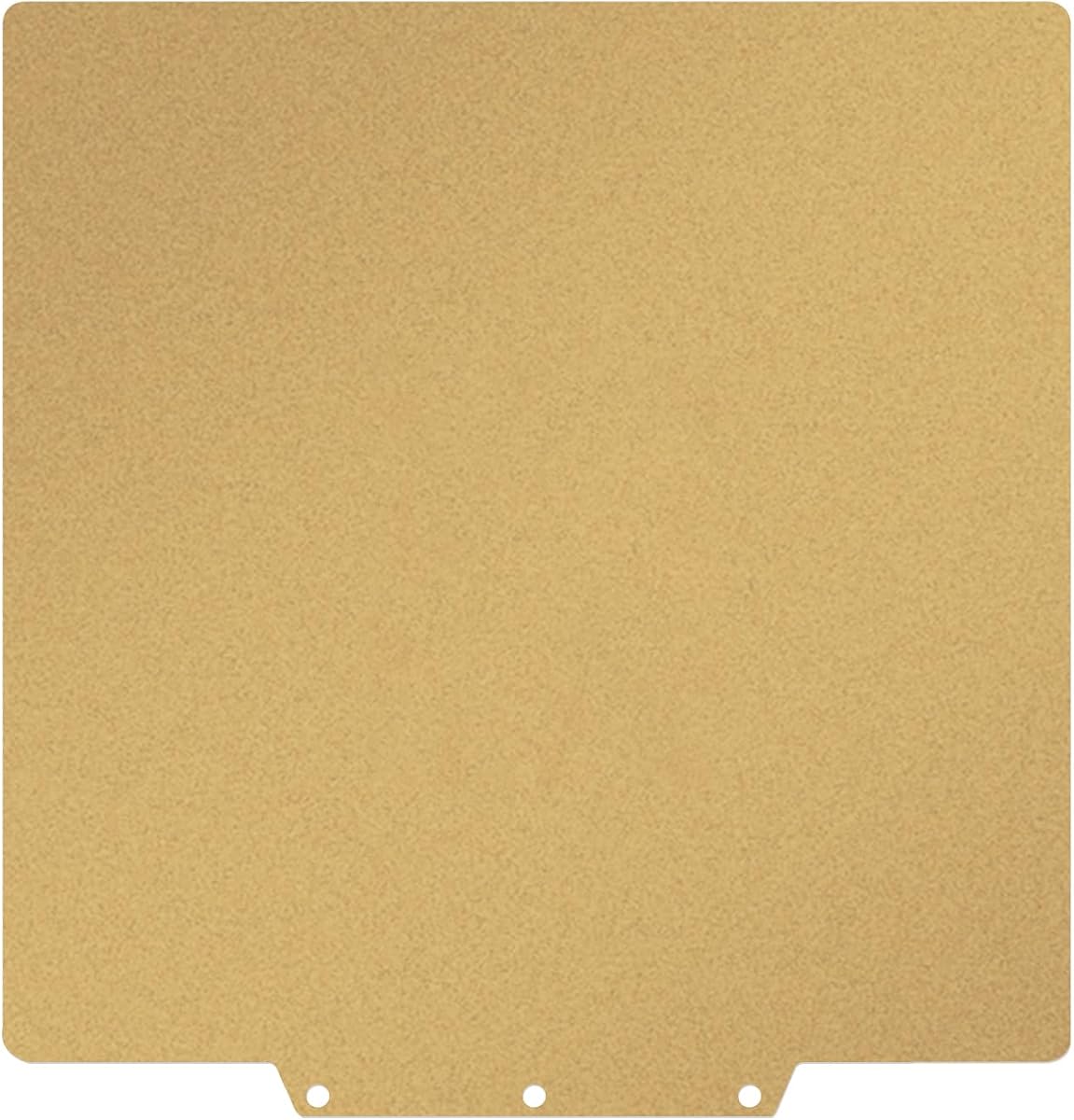
This gold PEI build plate offers excellent versatility for users with various printers like Adventurer, Neptune, or Ender models. Its double-sided frosted PEI coating enhances adhesion and reduces warping while providing a reusable surface for long-term use.
We may earn a commission when you buy through this link, at no additional cost to you.
The flexible spring steel plate ensures easy model removal after cooling without scraping, reducing the risk of damage. It supports a wide range of filaments including PLA, ABS, and Nylon, with high-temperature resistance suitable for engineering materials.
While the 235mm size may not suit larger builds, its compatibility with multiple printers makes it a practical option for users with diverse setups. Some materials may still benefit from adhesive, but this is typical for most build surfaces.
If you need a reliable build plate that works across different printer brands, this PEI option is a strong candidate. Its combination of durability, ease of use, and affordability makes it ideal for enthusiasts looking for a versatile solution.
The double-sided frosted PEI coating provides strong adhesion on both sides, allowing you to switch surfaces and extend the plate's lifespan.
The flexible spring steel plate allows you to bend and release prints easily, eliminating the need for tools and reducing the risk of scratching your model.
We may earn a commission when you buy through this link, at no additional cost to you.
This BIQU CryoGrip Pro Glacier build plate offers advanced adhesion technology specifically for printers like Adventurer 5M and Ender models. Its seven layer polymer design delivers lower temperature printing with firm adhesion, surpassing traditional PEI plates in performance.
We may earn a commission when you buy through this link, at no additional cost to you.
The sleek honeycomb handle design insulates heat, allowing safe handling even at 100 degrees Celsius. The self-recovering coating ensures easy cleaning and maintenance, while compatibility with various filaments like ABS and PA broadens its utility for engineering materials.
While it excels at adhesion, the CryoGrip Pro Frostbite variant might offer slightly better performance for PLA and PETG. Additionally, its size is limited to 235mm, which may not suit users with larger build volumes or different printer requirements.
If you want a reliable and versatile build plate for your Adventurer or Ender printer, this Glacier option is worth considering. Its strong adhesion, ease of handling, and compatibility with multiple materials make it a practical choice for consistent printing results.
The seven layer polymer design improves adhesion at lower temperatures, reducing the need for glue and preventing warping or print failure.
The heat insulation handle keeps the build plate cool to touch, allowing immediate removal and keeping your workflow efficient without waiting for cooling.
We may earn a commission when you buy through this link, at no additional cost to you.
Selecting the right build plate involves evaluating multiple factors to ensure compatibility, performance, and durability for your specific printing needs.
Ensure the build plate dimensions match your printer's bed size and that it supports the specific model you own. Many plates are designed for Bambu Lab or Creality Ender series, so verify exact specifications before purchasing.
Check the product details for supported printer models and dimensions to avoid installation issues or poor fit that could affect print quality.
Common build plate materials include PEI, glass, and spring steel with various coatings like PEI powder or cobalt oxide. Each material offers different levels of adhesion, temperature resistance, and surface finish for printed parts.
Choose a coating that suits your filament types; PEI is versatile for most materials, while textured surfaces help prevent warping for PLA and ABS.
Strong adhesion prevents prints from detaching during printing, but easy removal is also crucial to avoid damaging the print or the plate. Magnetic or flexible spring steel plates simplify removal by bending or peeling.
Look for features like magnetic systems or flexible steel that allow effortless release after cooling to reduce the need for tools or scraping.
Build plates should resist scratches, chemicals, and high temperatures to maintain performance over time. High-quality coatings and materials ensure the plate withstands repeated use without peeling or degrading.
Opt for durable options with scratch-resistant finishes if you plan to print frequently or with abrasive filaments to extend the plate's lifespan.
Some build plates work better with heated beds, especially for materials like ABS or PETG that require higher temperatures to prevent warping. Verify that the plate can withstand your printer's maximum hot bed temperature.
Check temperature ratings on the build plate to ensure it can handle the required heat for your preferred filament types without warping or damage.
Build plates that are easy to clean help maintain consistent adhesion over time. Look for surfaces that can be wiped with water, alcohol, or mild soap without damaging the coating or magnetism.
Select plates with self-recovering or resilient coatings to minimize downtime and keep your prints free from residue or fingerprints.
Some plates include handles, positioning holes, or dual textures to improve usability. These features can make installation easier and provide flexibility for different print finishes or alignment needs.
Consider additional features like ergonomic handles or dual-sided surfaces if they align with your workflow and project requirements for better convenience.
Prices vary depending on brand, features, and material quality. While premium options offer advanced adhesion and durability, budget-friendly plates can also deliver reliable performance for casual users.
Compare features against cost to find a build plate that offers the best value for your specific printing needs and long-term usage expectations.
Begin by ensuring the build plate is clean and free from dust or oils before each print. Use a soft cloth with mild soap or alcohol to wipe the surface gently, then dry thoroughly to maximize adhesion.
Install the build plate according to your printer's instructions, ensuring it sits flat and secure on the heated bed or base. If magnetic, check alignment carefully to avoid misalignment during printing.
After printing, allow the build plate to cool down unless it has a heat insulation handle designed for immediate removal. Clean any residue regularly to maintain surface quality and prolong the plate's life.
Textured build plates provide better adhesion and reduce warping, making them ideal for PLA and ABS. Smooth plates offer a polished finish on the bottom of prints but may require glue or adhesives for certain materials to prevent detachment.
Not always. Build plates are often designed for specific printer models with exact dimensions and mounting mechanisms. Always verify compatibility with your printer model to ensure proper fit and function.
Clean PEI plates with warm water and mild soap or isopropyl alcohol. Avoid harsh chemicals or scrubbing that could damage the coating. Dry thoroughly before reinstalling to maintain adhesion performance.
Most magnetic build plates are designed to adhere directly to the printer bed without glue. However, ensuring the base is clean and level helps the magnetic hold stay secure during printing.
Wait for the build plate to cool down before attempting removal. Flexing the plate gently or using a removal tool can help detach prints without damaging the surface or the model.
Many plates work with various filaments, but adhesion and temperature requirements differ. Some materials like ABS need heated beds or specific coatings, so check compatibility and temperature settings for each filament.
The BIQU CryoGrip Pro Glacier, 3D Printer Platform PEO PET, and 3D Printer Powder Painted PEI Flexi Steel Magnetic stand out as top choices for reliability, versatility, and ease of use across different printer ecosystems.
Prioritize compatibility with your specific printer model and consider material preferences to ensure the build plate meets your printing needs. Features like texture, adhesion, and heat resistance play critical roles in achieving consistent results.
Remember that prices and availability can change, so review current listings before purchasing to ensure you get the best value and fit for your setup.